

















THE EVOLVED EDIT
iPhone 18 Pro & iPhone Duo Charging: MagSafe, Qi2 & USB-C
iPhone 18 Pro, Pro Max and iPhone Duo support USB-C and magnetic wireless charging. Here is how to match the phone, charger, adapter and cable.

iPhone 18 charging: start with your exact model
iPhone 18 Pro, iPhone 18 Pro Max and iPhone Duo support USB-C, MagSafe and Qi2 charging. The connector, the charger's rating and the power the phone actually receives are different things. Use this guide to match the phone, adapter, cable and wireless charger.
Choosing a case, desk setup or travel kit? See our iPhone 18 accessories guide for product recommendations.
Apple's charging specifications by model
| Phone | Wired connection | MagSafe maximum | Qi2 maximum |
|---|---|---|---|
| iPhone 18 Pro / Pro Max | USB-C | Up to 25W | Up to 25W |
| iPhone Duo | USB-C | Up to 25W | Up to 25W |
These are the phone's supported limits, not a promise that every magnetic charger supplies that power. Specifications checked September 14, 2026: Apple iPhone 18 Pro specifications and Apple iPhone Duo specifications.
USB-C: match the power profile as well as the plug
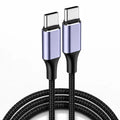
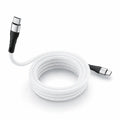
Apple's wired tests use a USB-C cable and a 60W-capable or higher adapter. Pro and Pro Max support up to 50% in about 15 minutes with Adjustable Voltage Supply (AVS); Duo is listed at about 20 minutes. These are Apple's test conditions, not results measured with Evolved accessories.
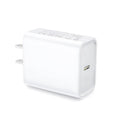
An adapter's wattage is its available output, not a constant amount forced into your phone. Match the adapter's output profiles and cable rating to the phone's requirements.
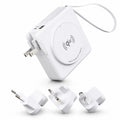
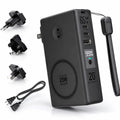
A 45W adapter is below that 60W wired fast-charge requirement. It may still suit a wireless station's input specification. Read whether you can keep your existing USB-C charger before replacing it.
MagSafe and Qi2: compatibility does not guarantee 25W
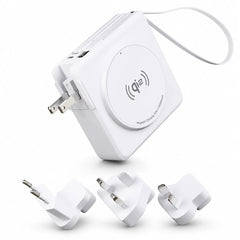
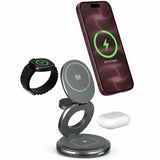
For Apple's stated wireless fast-charge result, the specifications pair a MagSafe Charger with a 35W or higher adapter. That adapter input rating is separate from the phone's maximum 25W wireless charging rate.
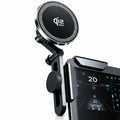
A magnetic attachment does not establish charging certification or output. Check the exact charger's MagSafe or Qi2 specification, supported phone models and required adapter. A charger rated for 15W does not become a 25W charger when connected to a higher-wattage adapter.
Battery level, temperature, alignment and system conditions can affect the charging rate. See Apple's MagSafe charging guidance and our Qi2 vs. MagSafe explainer.
Check the case, camera clearance and charging position
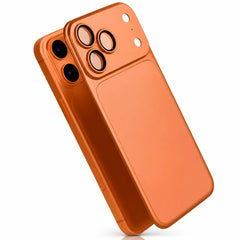
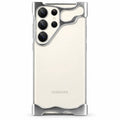
- Exact phone fit: choose a case made for your model. iPhone Duo and iPhone 18 Pro / Pro Max are different case selections.
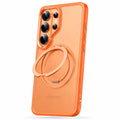
- Flat alignment: check that the charger seats correctly without the camera surround, ring stand or case edge lifting it away.
- iPhone Duo: also check hinge clearance and the accessory maker's supported charging position.
- Accessories between surfaces: remove wallets or other attachments when the charger instructions require it.
For fit and materials, use our iPhone 18 case buying guide. This charging guide covers electrical and physical compatibility; product pages provide each accessory's specific requirements.
Will your current charger work?
Start with its label or specification sheet. Confirm the supported charging method, output profile and cable, then check fit with your case. If it charges reliably at a speed that suits you, a new phone does not automatically require a new charger.
If you want a faster setup, identify the limiting part first: phone support, charger output, adapter input or cable. Replacing the adapter alone will not upgrade the wireless charger's rated output.
Ready to choose accessories? Our iPhone 18 accessories guide compares options for the desk, travel bag and car.
Charging questions
Does USB-C mean every adapter charges at the same speed?
No. The phone, adapter power profiles and cable must support the required charging mode. The connector shape alone is not a speed specification.
Does a 25W-compatible phone charge at 25W all the time?
No. That figure is a supported maximum. The charger, adapter, alignment, temperature and battery level all matter.
Should I choose a charger by its total wattage?
Check the output available to the phone, not just the total across a multi-device station. Also check the adapter required to power that station.